

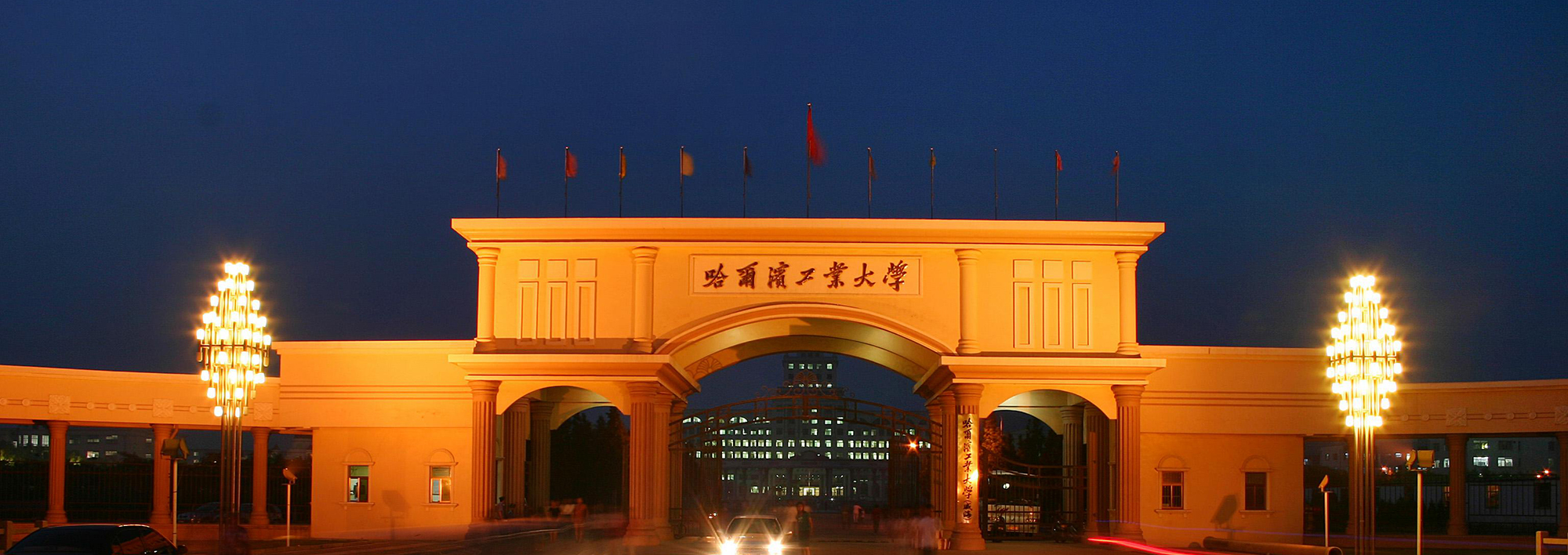
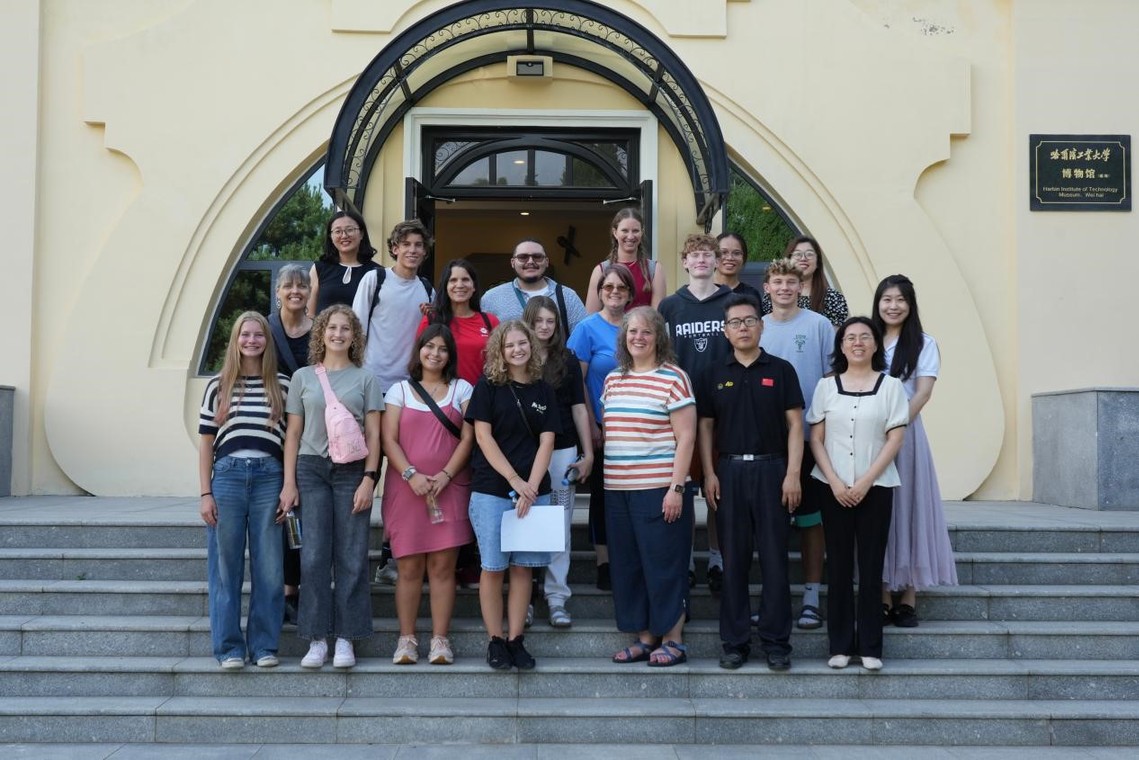
The 2026 China–U.S. Youth Summer Camp, themed Cultural Exchange and Mutual Learning, was recently held at HIT Weihai. Delegations from Arizona and Utah, United States, joined youth participants from Beijing and Shandong for a study tour and cultural exchange. Organized by the College of International Education, the camp aims to broaden participants’ horizons, foster mutual understanding, and showcase the university’s active role in promoting international education.
At the opening, Professor Zhang Ce, dean of the College of International Education, said youth exchanges are a key part of HIT Weihai’s internationalization strategy and help build mutual trust and deepen educational cooperation. The Weihai campus will continue to strengthen partnerships with the United States and establish a long‑term mechanism for youth exchanges. American participants thanked the campus for its preparation and welcomed regular mutual visits. Both sides will use the summer camp as a springboard for ongoing international study and exchange activities to further strengthen youth ties.
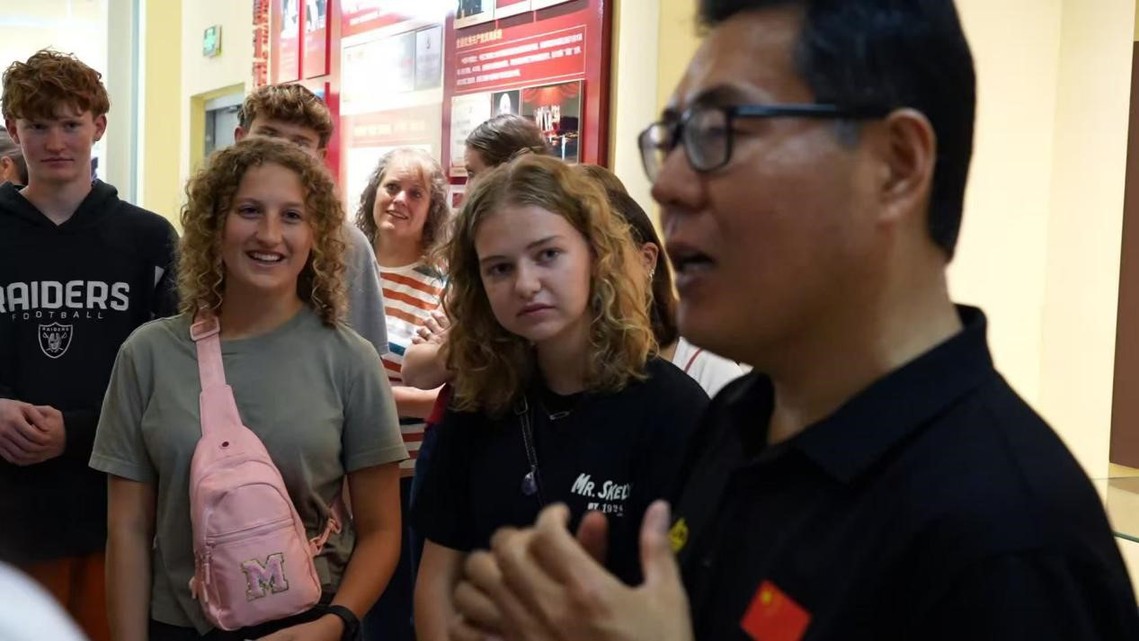
During the event, Professor Zhang accompanied the American delegation on a visit to the campus history museum and introduced the university’s distinctive features, development history, and internationalization achievements. The visitors praised Weihai campus’s academic atmosphere, research capabilities, and open educational philosophy, and several American students expressed interest in pursuing further study at the university, underscoring the program’s educational impact.
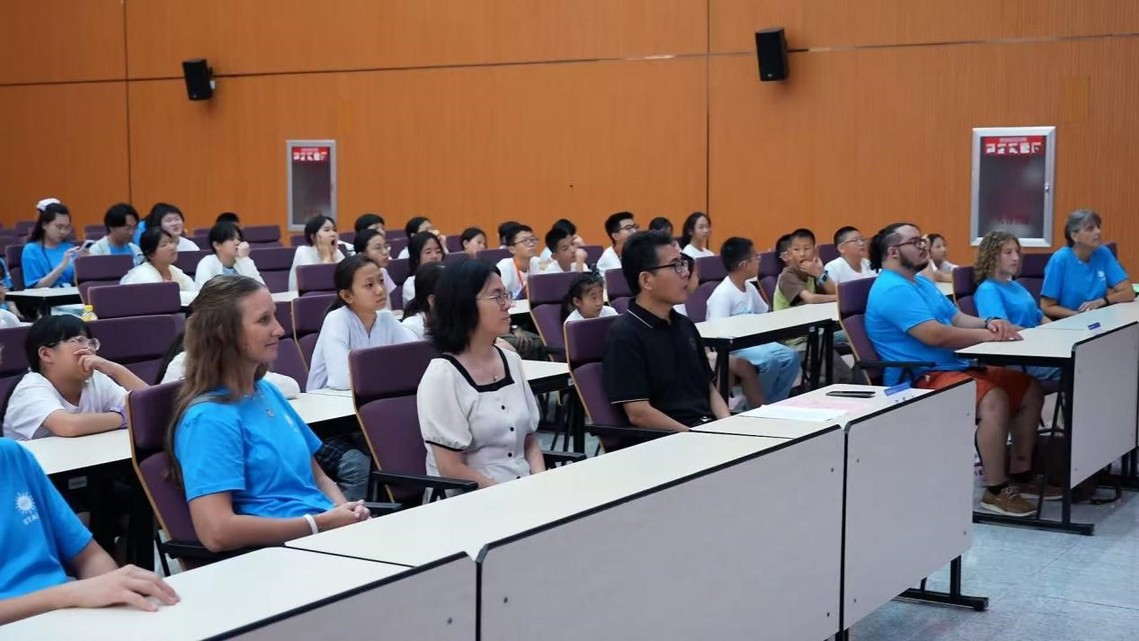
The summer camp emphasized immersive, multi‑level activities. Participants visited the Ocean Exploration Technology Museum and the Likoushan Ginger Culture Museum to learn about the Weihai campus’s cutting-edge research and China’s intangible cultural heritage. Through seminars, cultural workshops, team building activities and city visits, campers engaged in deep exchanges and built cross‑border friendships.
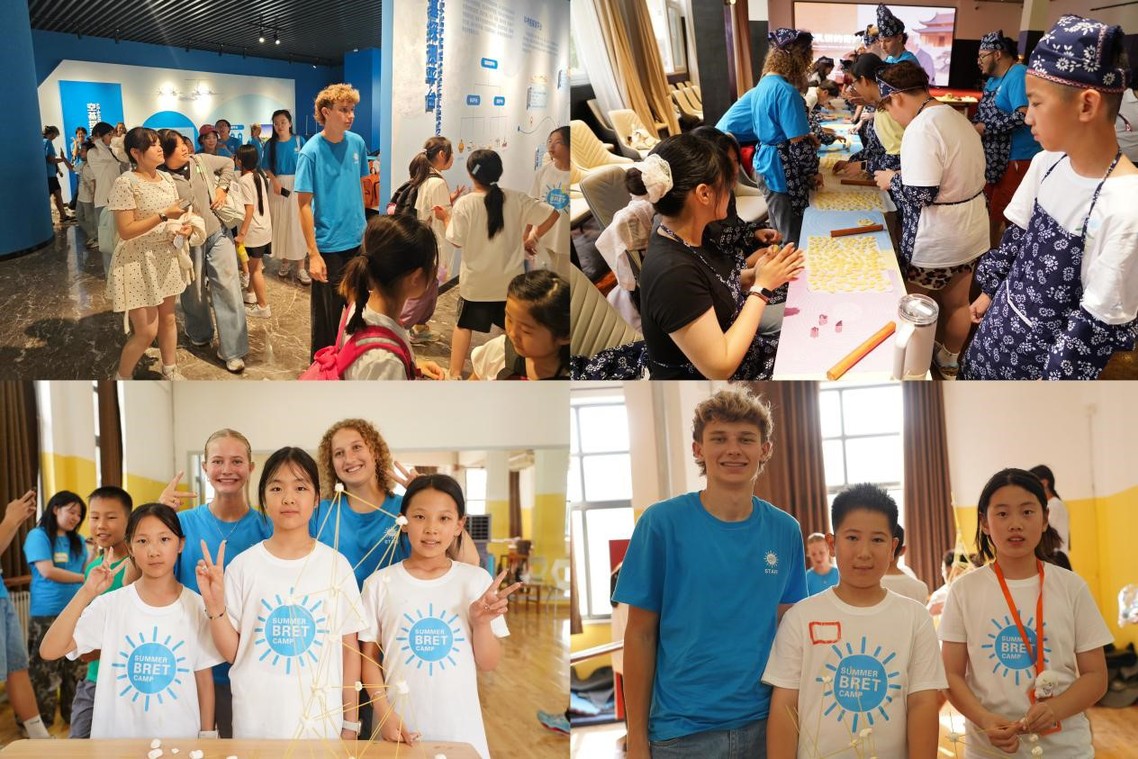
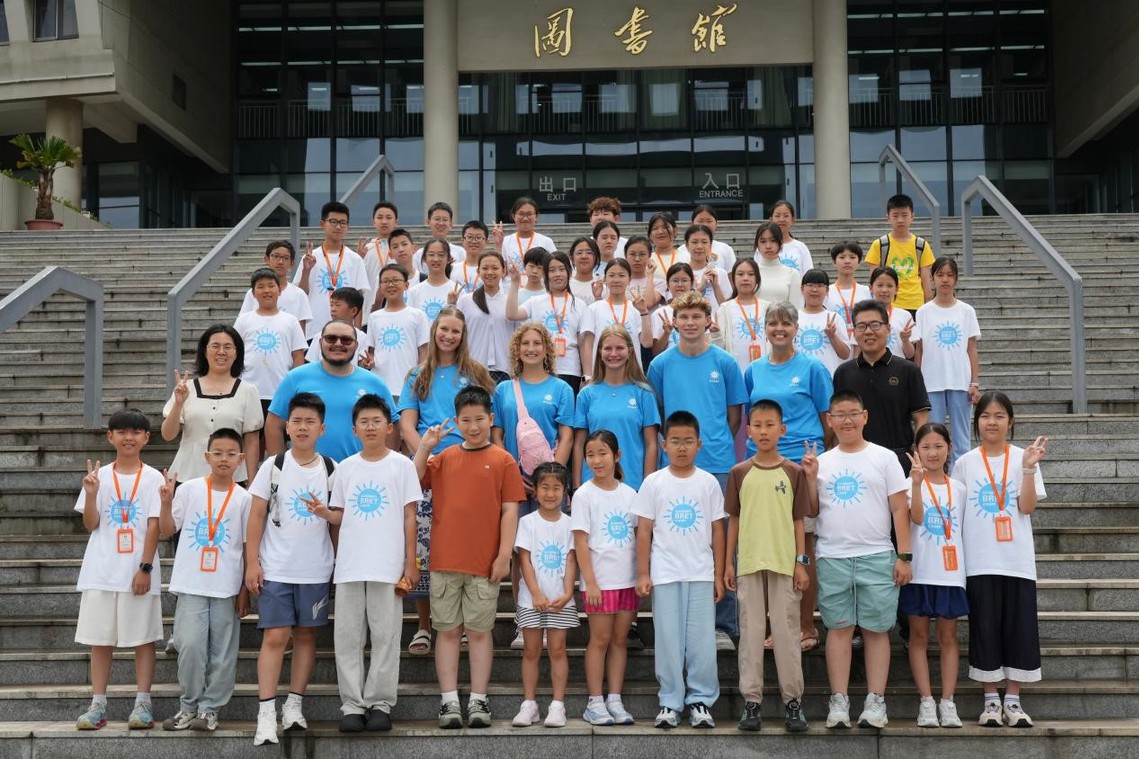
As a flagship initiative of the Weihai campus’s internationalization strategy, the summer camp expanded the university’s cooperation channels, diversified forms of Sino‑foreign cultural exchange, and enhanced its global visibility and reputation.
Moving forward, the College of International Education will continue to align its programs with the campus’s internationalization plan, uphold openness and mutually beneficial cooperation, and develop signature projects such as cross‑border study tours, faculty‑student exchanges, and academic dialogues. These efforts aim to cultivate students’ global perspectives and nurture new‑era talent with international competitiveness, thereby advancing the high‑quality development of international education at the campus.
(By Liu Boxian, text/photos)
